
 Login with Google
 Your Shopping Cart is empty!
  App store
 Google Play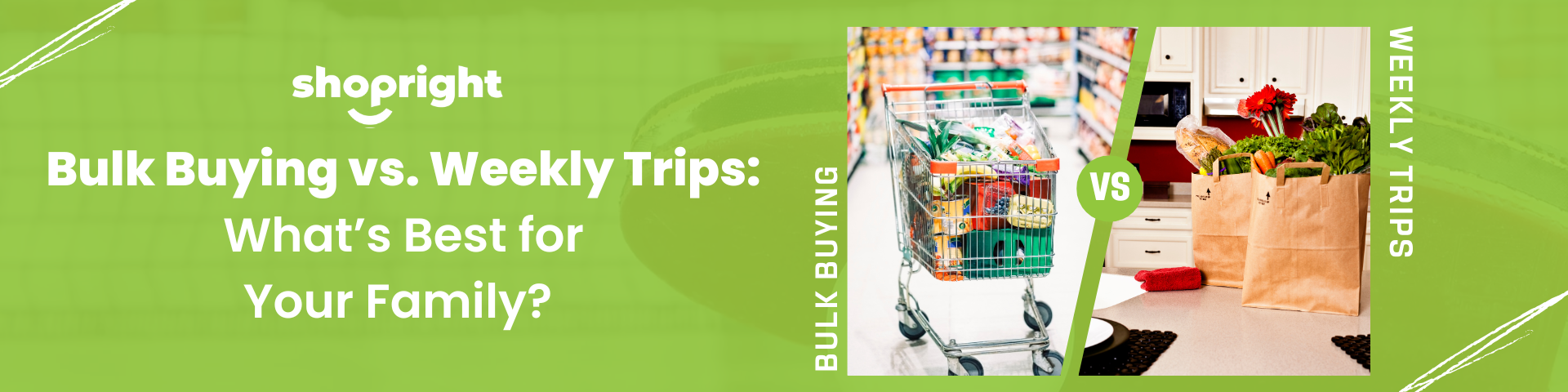
Your style of grocery shopping can significantly impact your monthly budget and even your stress levels. Every family faces the same dilemma: where they need to decide whether it is better to stock up once a month in one massive trip, or to make quick, targeted visits to the store every few days. Grocery shopping is considered one of the most flexible spending, and choosing a strategy that fits your schedule and storage space is the key to smart grocery shopping.
Whether you prefer the massive carts of bulk buying groceries or the simple routine of weekly grocery shopping, the goal is to keep your kitchen running smoothly without breaking the bank. By looking at bulk buying vs weekly shopping, you can decide which method will help you save money on groceries while keeping your meals fresh and exciting.
What Does Bulk Buying Actually Mean?
When we talk about bulk buying groceries, we refer to the strategy of purchasing large quantities of items at once, often to get a lower price per unit. It involves shopping at warehouse clubs or buying "family size" packs of shelf-stable goods. It is a form of smart grocery shopping that focuses on long-term supply rather than immediate needs.
The goal here is to stock up on items you use regularly, like toilet paper, rice, pasta, and frozen vegetables. Hence, you don't have to think about them for weeks or even months. The step definitely requires a higher upfront cost, but often leads to significant long-term savings.
The Routine of Weekly Grocery Trips
On the other side of the coin is weekly grocery shopping. This is the traditional method where a family visits the store once a week to buy exactly what they need for the next seven days. This approach is linked with family grocery planning and meal prep.
Weekly trips to grocery shops are mainly focused on fresh items like milk, bread, fruits, and vegetables. It allows for more flexibility; if you decide on Tuesday that you want tacos instead of pasta, you haven't already committed to a ten-pound bag of noodles. It keeps your pantry moving and your fridge filled with fresh ingredients.
Cost Comparison: Short-Term vs. Long-Term Savings
The most common reason people choose to bulk buy vs. weekly shopping is to save money on groceries. However, the "savings" can be tricky to calculate.
- Bulk Buying: You might spend $400 in one afternoon. While the "price per ounce" is lower, you need that cash available upfront. This is a core part of grocery budgeting tips: only buy in bulk if you have the "float" in your bank account to cover it without stress.
- Weekly Shopping: You might spend $100 four times a month. While you pay a slight premium for smaller packages, it is much easier on a tight weekly paycheck. It also prevents you from "investing" $20 in a giant jar of pickles that your kids might decide they hate next week.
Impact on Food Waste and Freshness
One of the biggest hurdles in grocery shopping for families is the battle against the "expired" bin. This is where you can truly reduce food waste.
Weekly grocery shopping usually wins when it comes to freshness. Since you are buying for a short window, your spinach is less likely to turn into a bag of green liquid in the back of the drawer. However, if you are not organized, weekly trips can lead to "forgotten" items that get buried under the new stuff.
Bulk buying groceries carries a high risk of waste if you buy the wrong things. Buying five pounds of fresh peaches because they were on sale is only a "deal" if your family can eat five pounds of peaches before they go soft. To reduce food waste in bulk, stick to dry goods, canned items, and frozen foods.
Similar Blog: Decoding Food Labels: Sell-By vs. Use-By vs. Best-By
Storage Space and Pantry Management
Before you head to a warehouse store, you need to look at your "real estate." Pantry management tips are vital for bulk shoppers. Do you have a garage freezer? Do you have deep shelves, or are you living in an apartment with three small cabinets?
- Bulk Needs: You need a dedicated space for those 48 rolls of paper towels. Without good pantry management tips, a bulk haul can make your home feel cluttered and stressful.
- Weekly Needs: This is perfect for smaller homes. You only need enough space for a few days of food, which keeps your kitchen organized and easy to navigate.
Time-Saving: Which Method Wins?
Time is a currency just like money. Weekly grocery shopping takes a consistent chunk of time every single week. Between the drive, the shopping, and the unloading, you might spend two hours every Sunday. Over a month, that is eight hours of your life.
Bulk buying groceries takes a long time for one trip, but you do it less often. If you go once a month for a big "stock-up" and then do "micro-trips" for milk and produce, you could save several hours a month. For busy professionals, this is a major factor in monthly grocery planning.
How Family Size Influences Your Best Choice
The math changes depending on how many mouths you are feeding.
Shopping for Large Families
If you have three teenagers, a gallon of milk might only last 48 hours. In this case, bulk buying groceries is almost a necessity. The sheer volume of food consumed makes warehouse shopping the most efficient way to save money on groceries
Similar Blog: How to Save Money on Online Grocery Shopping in Cayman Without Compromising Quality?
When to Use a Hybrid Approach
Most smart grocery shopping experts recommend a mix of both. The Hybrid Strategy is known to offer the best of both worlds:
- Bulk for Essentials: Buy your "non-perishables" (toilet paper, laundry soap, rice, beans, frozen fruit) once a month or once every two months.
- Weekly for Freshness: Visit your local store once a week for "perishables" (fresh meat, produce, eggs, dairy).
This specific method will surely keep your family's grocery planning flexible, but will also ensure that you are getting the best unit prices on the heavy hitters.
Practical Tips to Help You Decide
To decide which path to take, ask yourself these three questions:
- What is my cash flow? If you have extra money at the start of the month, go bulk. If money is tight until payday, stay weekly.
- Do I have the space? Don't buy 10 boxes of cereal if you have nowhere to put them.
- Am I an impulse buyer? Bulk stores are designed to make you buy things you don't need. If you can't stick to a list, stick to the smaller weekly store.
If you are looking for the perfect place to find both your fresh weekly essentials and your favorite household brands, it is time to visit a store that understands your needs. Now is the time to embrace the smarter way to do your groceries. Assess your pantry today and start the journey toward smart shopping at ShopRight


.jpg)