
 Login with Google
 Your Shopping Cart is empty!
  App store
 Google Play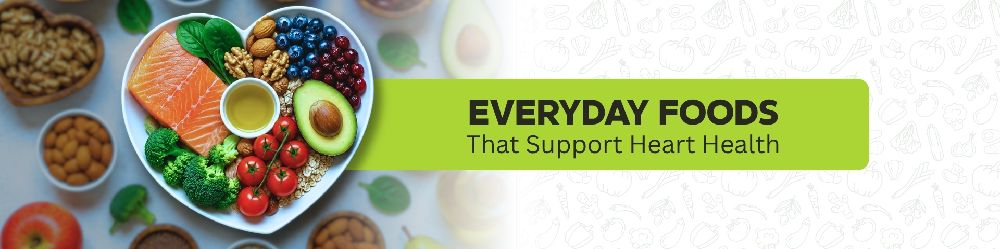
Introduction: Your Heart Is Built by Everyday Choices
Most people don’t really think about heart health while eating daily meals. It usually feels like something that matters later in life. But in reality, the heart responds quietly to what’s on your plate every single day.
It’s not about strict diets or complicated nutrition rules. It’s about the small, repeated choices—what you pick during grocery shopping, what you cook at home, and what snacks you keep within reach.
Things like energy levels, digestion, cholesterol balance, and overall wellness are all linked to these everyday habits.
The good part is, everyday foods for heart health are not rare or expensive. They’re simple things—fruits, vegetables, grains, nuts, and basic pantry staples that most people already know.
This guide is meant to feel practical. No fear, no strict rules—just real food ideas and better heart healthy grocery foods you can easily include in your routine.
Why Your Grocery Cart Matters More Than One “Healthy Meal”
A lot of people eat a “healthy meal” once in a while and feel like they’ve done enough. But health doesn’t work like that.
What really matters is consistency—what your kitchen looks like most of the time.
If your grocery cart is filled with balanced ingredients, healthy eating becomes automatic. But if it’s mostly processed snacks and quick fixes, then that becomes the default too.
This is why healthy grocery shopping is so important. You don’t need perfection. You just need better basics sitting in your kitchen.
Heart health is less about effort in the kitchen and more about decisions at the store. That’s where grocery habits for health actually start shaping your routine.
The “Color Rule”: Why Colorful Foods Often Support Heart Wellness
There’s a simple way to think about food—if your plate has more color, it’s usually a good sign.
Naturally colorful foods often contain plant nutrients and antioxidants that support overall wellness.
- Red foods like tomatoes and berries
- Green vegetables like spinach and broccoli
- Orange foods like carrots and sweet potatoes
These colorful foods for health are not magic cures—they just support your body in a natural, steady way.
Fruits and vegetables in general are rich in compounds that help with everyday wellness, including circulation and energy balance.
You don’t need to overthink it. Just add a more natural color to your plate whenever possible.
Breakfast Foods That Quietly Support Better Heart Habits
Breakfast is one of those meals people rush through, but it actually sets up the tone for the day.
A heavy sugar-based breakfast can lead to energy crashes later. A balanced one keeps things steady.
Simple heart healthy breakfast foods include:
- Oats with fruit
- Whole grain toast with peanut butter
- Yogurt with nuts
- Fresh fruit bowls
Oats are especially popular for oats for heart health because they keep you full for longer and help avoid mid-morning cravings.
A good whole grain breakfast doesn’t just fill you up—it quietly controls how the rest of your day’s eating patterns unfold.
Pantry Staples That Deserve a Permanent Spot in Your Kitchen
Healthy eating becomes much easier when your kitchen is stocked properly.
Think of your pantry as your backup system. When healthy options are available at home, you’re less likely to rely on unhealthy quick fixes.
Good healthy pantry essentials include:
- Beans and lentils
- Brown rice
- Olive oil
- Nuts and seeds
- Low-sodium canned foods
These nutritious grocery staples don’t need fancy cooking. They just need to be available.
A well-stocked pantry quietly supports better decisions without forcing you to “try harder” every day.
Similar Blog: Essential Pantry Checklist: Must-Have Items for Every Cayman Kitchen
Fresh Foods vs Processed Foods: What Your Heart Notices Over Time
Fresh food and processed food both exist in real life—you don’t need to avoid one completely.
But there is a difference in how they affect long-term habits.
Fresh foods like vegetables, fruits, and lean proteins give your body more natural nutrients. Processed foods often come with extra salt, sugar, and additives to improve taste and shelf life.
This doesn’t mean processed foods are always bad. It just means that awareness helps.
Simple swaps—like choosing fresh snacks when possible—can slowly improve your overall routine.
Better grocery choices are not about restrictions. They’re about balance.
Smart Snack Habits That Support Everyday Wellness
Snacks are where most people lose control without realizing it.
At work, at home, during movies—it’s usually small bites that add up.
Better healthy snack ideas include:
- Nuts
- Fruit slices
- Yogurt
- Popcorn (air-popped)
These heart-friendly snacks keep energy stable instead of causing sudden spikes and crashes.
Better snack choices are not about cutting everything out—they’re about choosing things that satisfy you instead of just filling a craving.
Small Cooking Changes That Make Meals More Heart-Friendly
Healthy meals don’t always need new recipes. Sometimes small changes are enough.
Simple healthy cooking habits include:
- Grilling instead of deep frying
- Using herbs instead of too much salt
- Choosing better cooking oils
- Adding vegetables to regular meals
These low sodium cooking tips don’t change the taste dramatically—they just improve the quality of everyday food.
Over time, these heart smart cooking ideas have become normal habits without feeling like effort.
Foods That Help You Feel Full Without Feeling Heavy
One of the biggest problems in modern eating is feeling hungry again too quickly.
Foods that keep you full usually have fiber, protein, or healthy fats.
Examples of filling healthy foods:
- Whole grains
- Beans
- Nuts
- Lean proteins
These support fiber rich meals and help maintain balanced eating habits.
When meals are satisfying, you naturally avoid unnecessary snacking and energy crashes.
Building a “Heart-Smart” Weekly Grocery List
A good grocery list removes confusion from shopping.
A simple heart healthy grocery list includes:
- Fresh fruits and vegetables
- Whole grains
- Lean proteins
- Healthy snacks
- Water and low-sugar drinks
Planning ahead makes healthy weekly shopping much easier and reduces impulse buying.
A proper grocery list for healthy eating is not about strict dieting—it’s about making better choices easier when you’re already tired or busy.
Healthy Eating Doesn’t Need to Feel Complicated
Most people overthink healthy eating.
It doesn’t need rules, strict plans, or pressure. What actually works is consistency over time.
A simple healthy lifestyle is built by small improvements—not overnight changes.
Focus on balanced nutrition habits, not perfection. Even one better choice per day makes a difference over time.
Similar Blog: 5 Simple Steps to a Healthier Lifestyle for Busy Professionals
Find Heart-Friendly Grocery Essentials at ShopRight
Good habits are easier to follow when the right food is available.
At ShopRight, you’ll find everyday essentials like fresh produce, pantry staples, whole grains, and simple snack options that support healthier routines.
Whether you’re planning meals or just doing regular healthy food shopping in Cayman, having variety makes better choices easier.
A good grocery store in the Cayman Islands should help you shop smarter—and that’s exactly what simple access to these options allows.
Conclusion: Better Heart Habits Start with Everyday Foods
Heart-friendly eating is not built in one day. It’s built in small decisions repeated over time.
You don’t need a perfect diet. You just need better awareness.
Choose simple foods more often. Keep the basics at home. Make small improvements when possible.
That’s it. That’s what actually works.

.jpg)