
 Login with Google
 Your Shopping Cart is empty!
  App store
 Google Play
Introduction
Buying groceries every week is a common routine in every household. Despite a regular routine, most of us commit mistakes that cost us huge in the long run.
You walk into your neighborhood grocery store to buy milk, bread, eggs, some fruits, and a few vegetables. Forty minutes later, your two bags are overflowing. Next, you find yourself waiting at the billing counter only to get a terrible shock. Your bills are much higher than expected. You walk out of the store with two heavy and overflowing bags and stressfully higher bills.
Does this sound familiar? If yes, then you are not alone.
This is a common experience that most shoppers relate to. Even if you consider this experience surprisingly common, it isn’t. There is a logical reason aligned with it. This experience has nothing to do with rising prices; it actually has much to do with our daily shopping habits.
Here’s an honest fact:
Most buyers make grocery shopping mistakes that they aren’t aware of. On the contrary, they do not realize those mistakes even when their monthly expenses get depleted. These episodes of mistakes begin with the habit of impulsive buying and end up in financial burden due to poor planning.
Just as every lock has a key, your self-awareness and self-control are the keys to solving these issues. As a smart buyer in this digital age, you need to recognize these habits and make necessary amendments.
Spending a fortune is quite easy but learning how to save money on groceries without sacrificing quality or convenience requires more effort.
If it pains to see your grocery bill keep climbing, understand these common grocery shopping errors in the right context. This guide will take you through a series of solutions that help you adopt a few smart grocery shopping tips. Use these tips to shop with confidence and save more every month.
Shopping Without a Grocery List Leads to Overspending
Planning always precedes execution.
Experts recommend planning before commuting to a grocery store, because stepping into a supermarket without a perfect plan can prove to be a mistake. When you go to a supermarket with no plans, you end up quickly spending more than necessary. Checking out the grocery stock in your kitchen and preparing a proper list on that basis should be your first step towards planning. Without a list, we tend to forget essentials. Additionally, we buy duplicates and pick up items that already exist in our kitchen or were never needed in the first place.
For example:
You enjoy bathing with Camay International Luxury soap bar. You saw a pack of 10 on the grocery rack and picked it up. You later realized that it was both an impulsive and duplicate buying because you already have 4 pieces of Camay soap available in the cosmetic drawer that you never checked earlier.
A simple grocery shopping list can be a lifesaver. This important list helps you stay focused and avoid distractions. Both a handwritten checklist and a digital checklist on your phone work equally well. If you are a big-time fan of a traditional handwritten checklist, keeping a pen or a pencil handy will serve you well.
Prepare a grocery list that aligns with your weekly meal plans. In the top right corner of your grocery list, write your budget amount, possibly in red ink. This exercise will help you avoid impulse buying and stick to your budget. Making it a regular practice will not only reduce unnecessary aisle browsing but also prevent unplanned purchases, saving your hard-earned money.
Preparing your shopping list before leaving home is one of the most useful grocery budgeting tips. Weaving simple smart shopping habits into your daily life can significantly reduce overspending. When visiting your preferred grocery store, either carry enough cash or a credit card with restricted spending limits. This strategy will help you purchase only those items that are essential for your household.
With a planned shopping list and well-managed resources, you will become a Smart Buyer.
Not Planning Meals Before Shopping
Meal planning before shopping is the smartest strategy and the most powerful tool for keeping your grocery expenses in check. Without a proper plan, it is quite possible to buy condiments and ingredients that you never use or even forget them. One fine day, you might suddenly need them. Because you have forgotten the place where you kept these ingredients, you might have to take a trip back to the store, incurring additional expenditure.
Practical meal planning tips begin by discussing the meals you will prepare for the week with your partner. Your list isn‘t complete unless you thoroughly check your refrigerator, freezer, and pantry for the available stocks of each item. This exercise gives you a clear picture before you actually shop for your groceries. You have saved yourself from duplicate purchases and unnecessary food waste.
An effective grocery planning guide should take breakfast, lunch, snacks, and dinner into account. Determining a roadmap for weekly meal prep shopping will not only save your precious time but also minimize unnecessary spending.
Lowered monthly spending now becomes the baseline of your efficient grocery shopping list. With reduced stress and healthier eating habits, you would be able to spend quality time with your family.
Shopping While Hungry Can Cost You More
The title of this section might sound psychological, but it is true that hunger does affect your decisions and judgments.
Studies conducted on consumer behavior research show that hungry shoppers tend to buy more snacks, sweets, and processed foods. Emotional decisions often overtake genuine and logical ones, leading to overspending.
For example:
- A study published in the Journal of Consumer Research found that participants who shopped while hungry purchased about 20% more food items than those who were not hungry. This shows a significant increase in the purchase of high-calorie snacks and processed foods.
- In another experiment, hungry shoppers were given the task of purchasing non-food items, yet they chose to buy energy-dense products. This experiment indicates that hunger can actually influence your decision.
A simple truth: To save yourself from overspending and breaking your budget, never shop when you are hungry because emotional decisions mostly replace logical ones.
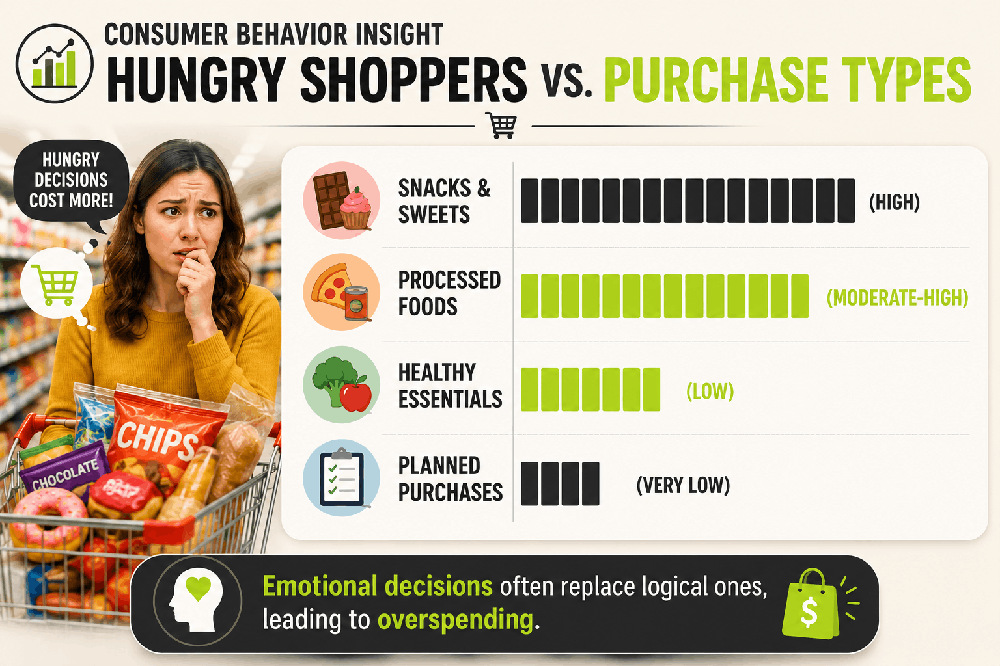
This shopping-hungry mistake can cost you a fortune, resulting in unnecessary purchases that were never part of your shopping list. On the other hand, impulse grocery shopping can tempt you to buy excess food items when cravings take over.
There is a prevalent grocery shopping psychology that states that you stop making smarter choices when hunger takes over. Hence, make it a point to have a small meal or some wholesome snacks that make you feel full before heading to the store. Your goal should be to avoid overspending on groceries and stick to your list and budget.
Ignoring Unit Prices and Bulk Value
There is a simple math associated with calculating unit product prices to calculate the best value. Unfortunately, most consumers never check the unit price of each product they buy. Being short of time, they primarily concentrate only on the total prices that are displayed on the shelves.
The real magic lies in comparing the unit price.
To bring this magic alive, one must understand the logic behind unit price grocery shopping. Using this logic, you can compare products based on price per ounce, pound, and liter.
The outcomes will be surprising as you will know which option truly offers better value and saves from burning a hole in your pocket.
Many times, bulk buying can also save ample money. The only care you must take is to use the products before their expiry date. You must have an exact idea about the consumption of each product monthly. It isn‘t sensible to buy oversized quantities with zero plans. Doing so will definitely create waste rather than savings.
An Effective Habit:
A quick grocery price comparison between different brands and package sizes can be beneficial. Adopt this simple habit today to save money on grocery shopping over the years.
Falling for Every Promotion and Discount
Sales and promotions are the heart and soul of every business. Promotions, especially, are designed to trigger the spending emotion in you. Some businesses run promotions at a specific time of the year, while a few have their promotions running all year round. These promotions and discount offers mostly offer genuine value, but this isn‘t a universal truth.
Consumers commit grocery discount mistakes because they misunderstand spending as savings.
Check the following examples:
Example 1
Limited-Time Offer: Buy 3 and Earn Double Reward Points
Rewards motivate you to purchase items that weren't on your list.
Example 2
Buy Any 3 Extra Items and Save 10%
It might feel like a discount, but it quickly becomes unnecessary spending.
If you truly want a genuine deal, try finding a smart shopping deal. Here is an easy way to know if this deal is for you.
Ask yourself one question: "Would I buy this product if it weren’t discounted?" Your answer will decide if you should buy it or not.
Avoiding unnecessary grocery purchases is an art that every shopper should learn. It doesn’t make sense to chase every offer, because Smart Shoppers consider supermarket promotions as opportunities and not obligations.
Smart shoppers save money. Impulse one's chase offers.
Buying Too Much Fresh Produce at Once
Since childhood, we have been trained to buy only fresh produce. Hence, we keep searching and picking fresh fruits and vegetables. If it were right to buy fresh ones all at one time, how fast will your family consume them?
It is not logical to buy too much at one time. Doing so will often result in getting the produce spoiled and money being wasted. So a smarter shopping method is to ensure reduced grocery waste. This habit begins with developing a realistic meal plan. Overbuying is never in the shopper's interest.
So, buy only what you can consume before your next visit to the store. This simplistic approach actually makes you a smart buyer.
Before you buy fresh produce, you must wisely understand your household's actual needs. To preserve your food products, you must deploy proper storage techniques at home. These techniques not only extend the freshness of your fruits and vegetables but also help you with food waste prevention.
Check out our blog on simple produce storage tips. This blog will help you understand the correct method of refrigerating berries and keeping bananas separate from apples. Following the advice shared in this blog will enable you to extend the lives of your fruits.
Forgetting to Check Expiry Dates and Product Quality
With the kind of government compliance laws and the amount of awareness in the general public, companies have started mentioning manufacturing and expiry dates on every product. Now it is the buyer’s responsibility to check the expiry date before adding any product to their cart. It is a universal fact that not all products kept on the shelf have the same freshness. Overlooking expiry dates or damaged packaging can prove expensive for your family’s health.
When you visit any store that sells food items, make it a point to check expiry dates before placing items in your cart. You don’t need to rush through the buying process. It is possible that products may develop dents, leaks, broken seals, and spoilage during unloading. The staff at the grocery store takes enough care, but human error cannot be overlooked. Hence, be vigilant while adding products to your cart.
You must focus on basic grocery freshness tips. It will ensure better quality and protect your family.
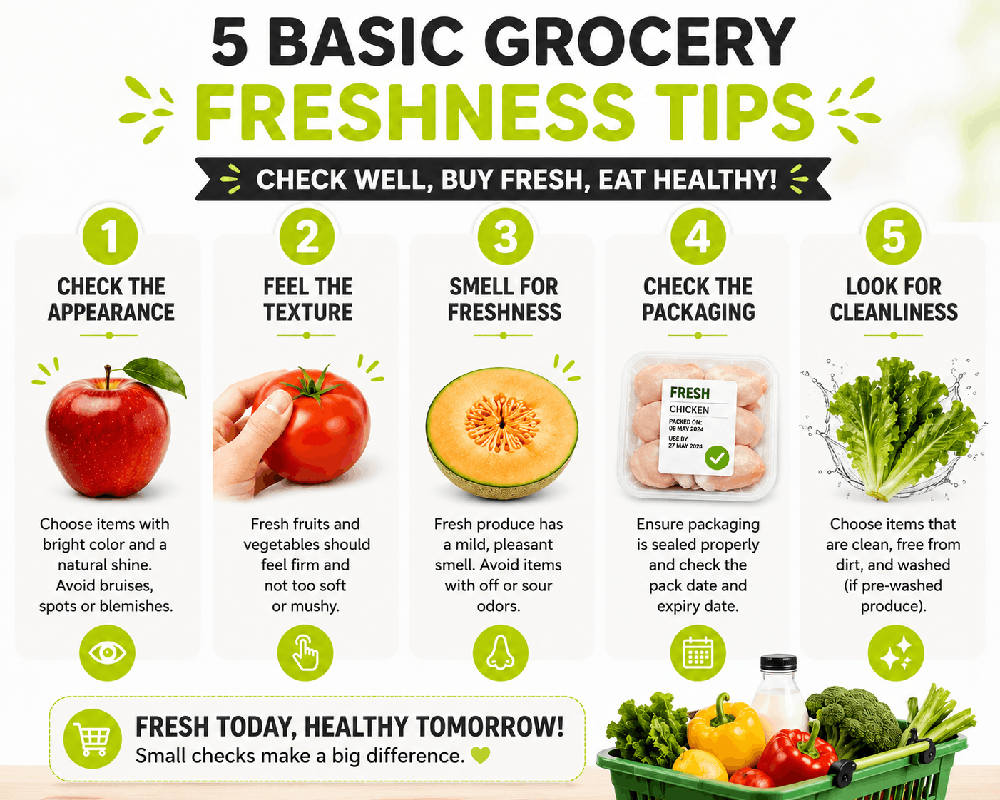
It is a good habit to shop for quality food products carefully. This habit will prevent food waste and maximize value. Ultimately, smart grocery buying means paying attention to quality, not just price.
Choosing Convenience Over Value Too Often
People mostly love staying in their comfort zones. Grocery stores see this as an opportunity. As a result, most of the stores these days offer convenience foods. These foods do save time but are generally expensive. Remember that convenience always comes at a higher price.
Pre-cut vegetables, ready-to-eat meals, and individually packaged products are categorized as convenience foods. These items naturally have a dedicated section in every store. Buying them occasionally can be a great idea, but relying on them for your daily needs will quickly amplify your grocery bill. When buying convenience foods, how can you be sure that the original raw materials were properly washed? How can you be sure that proper hygiene was maintained while using a knife and other appliances?
A practical approach in this situation can be to balance convenience with affordability. Excessive spending on processed food will cost you more than preparing meals at home from basic kitchen ingredients. When you conventionally prepare food at home, hygiene and cleanliness never become an issue.
Home-cooked food comes with a special ingredient called "Mom’s Love" that no pre-cut vegetables or ready-to-eat meals can offer. Moreover, small preparation efforts can generate significant savings without sacrificing quality.
Overlooking Store Brands and Affordable Alternatives
Should shopping from branded stores be the only criterion? Many shoppers do not compare alternatives before choosing products from store brands.
Store brand groceries often contain similar ingredients to non-branded stores. Non-branded stores can offer comparable quality at lower prices. Brand loyalty is good, but it may sometimes prevent consumers from opting for better deals.
Instead of relying on your neighborhood store, travel to other locations. You might come across affordable grocery alternatives. If their quality matches your taste, you can enjoy reduced expenses without compromising taste or nutrition. Many budget grocery products deliver excellent value.
Making these simple switches in your grocery shopping patterns can offer long-term grocery shopping savings while maintaining quality standards.
Online Grocery Shopping Mistakes That Increase Spending
In this digital age, we all love shopping online because it offers convenience, but remember that online shopping has its own set of challenges.
Shopping looks like a satisfying experience only if it is done with discipline. Honestly, most shoppers have the habit of frequently adding unnecessary products to their carts while browsing the shelves. This habit, in reality, adds unnecessary burden to your wallet. Online grocery shopping comes with several types of fees and charges.
The portal may charge you delivery fees, platform fees, product handling charges, or additional taxes. You should also review the final orders; ignoring them may increase expenses. Make it a point to check the final amount along with the breakup before making your payment.
When shopping for groceries online, prioritize self-control and discipline. With proper order consolidation, you can always improve grocery delivery savings.
Never forget to review the cart before checkout to minimize unnecessary purchases.
Smart Grocery Habits That Save Money Every Month
You do not need to be a pro at buying groceries to save money every month. Developing a few decent habits and following them consistently can make the tables turn.
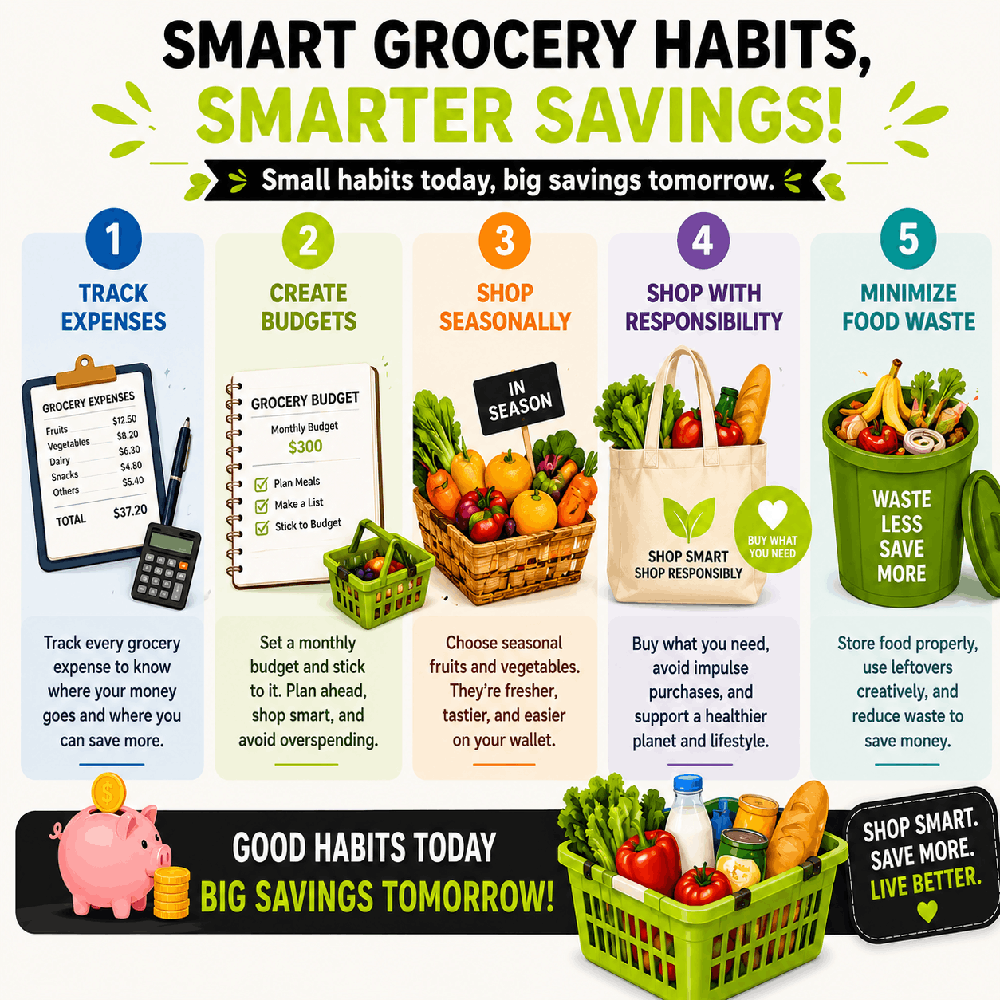
Switch to the above simple monthly grocery savings strategies. They will help you develop financial control and restrict your spending. These grocery budgeting strategies are meant to make your shopping process less stressful, more enjoyable, and graceful.
Developing these practical shopping tips implies that making small improvements in your buying pattern will deliver meaningful long-term benefits.
Similar Blog: Smart Cart: Shop Healthy Without the Hefty Price
Shop Smarter and Save More with Shopright
Smart shopping becomes easy with quality products and reliable service.
For families in Cayman, Shopright makes grocery shopping is easy. You'll find fresh produce, pantry essentials, household products, and everyday needs all in one place. Shopright is a trusted grocery store in the Cayman Islands. It offers both in-store and online shopping for your convenience.
Shoppers seeking affordable groceries for shopping can find many products that don't skimp on quality. At Shopright, customers can find fresh groceries, whether they shop online or in-store. They also enjoy a convenient experience that helps them make smarter buying choices.
Conclusion
Most grocery shopping mistakes are caused by habits, not necessity. Poor planning, impulse buying, and a lack of awareness quietly increase monthly expenses and contribute to food waste.
Fortunately, even small improvements can have a noticeable impact. Creating a shopping list, planning meals, checking prices, and shopping mindfully can help you spend less without sacrificing quality.
Start by applying just a few of these strategies during your next grocery trip. Over time, these simple habits can help you save money, reduce waste, and enjoy a smarter grocery shopping experience.


.jpg)